
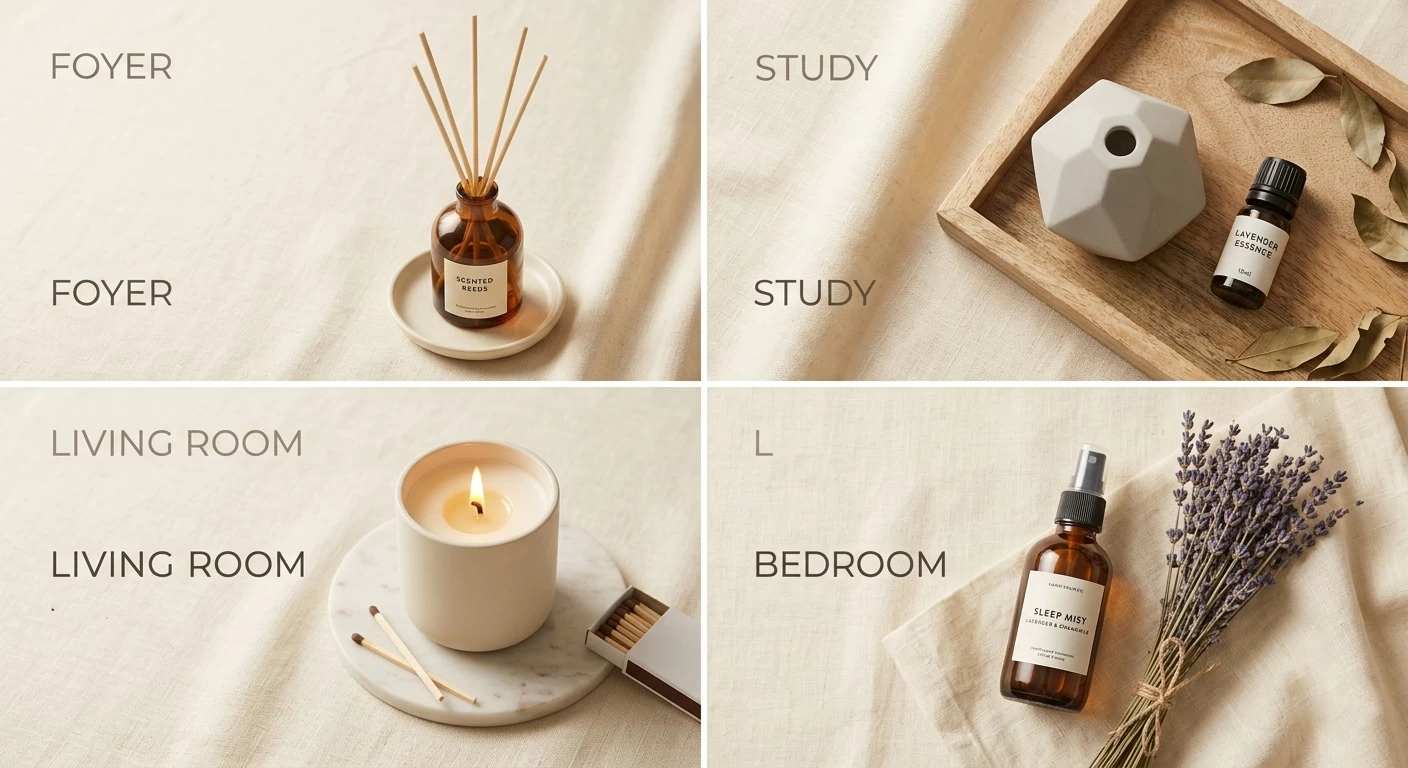
I used to think home fragrance meant one candle in the living room. One scent. One room. One mood. Lit when guests came over, forgotten the rest of the time. A performance, not a practice.
Then I started paying attention to how different spaces made me feel — and how scent could shift that in seconds. The kitchen felt chaotic after dinner. The bedroom felt like an extension of the office. The bathroom was just… functional. No transitions. No cues to my nervous system that the day had ended.
That's when I discovered scentscaping.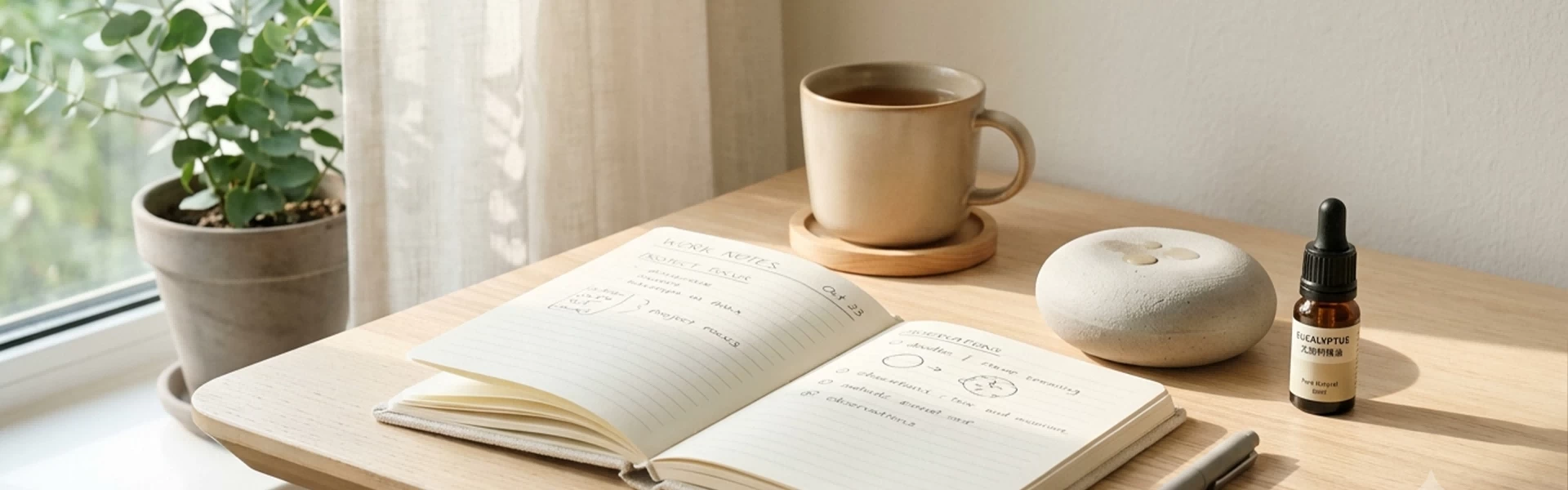
What scentscaping actually is
Scentscaping is the intentional use of fragrance to define the mood and purpose of different zones in your home. It treats scent the way good design treats light or texture — as an architectural element, not an afterthought.
In 2026, this is no longer niche. The global home fragrance market is projected to exceed $15 billion, driven by consumers using scent to create immersive, emotionally charged environments. Designers now talk about fragrance the way they talk about color and lighting. The idea is simple: instead of one scent for your entire home, build a layered profile — different notes in different rooms.
Why it works
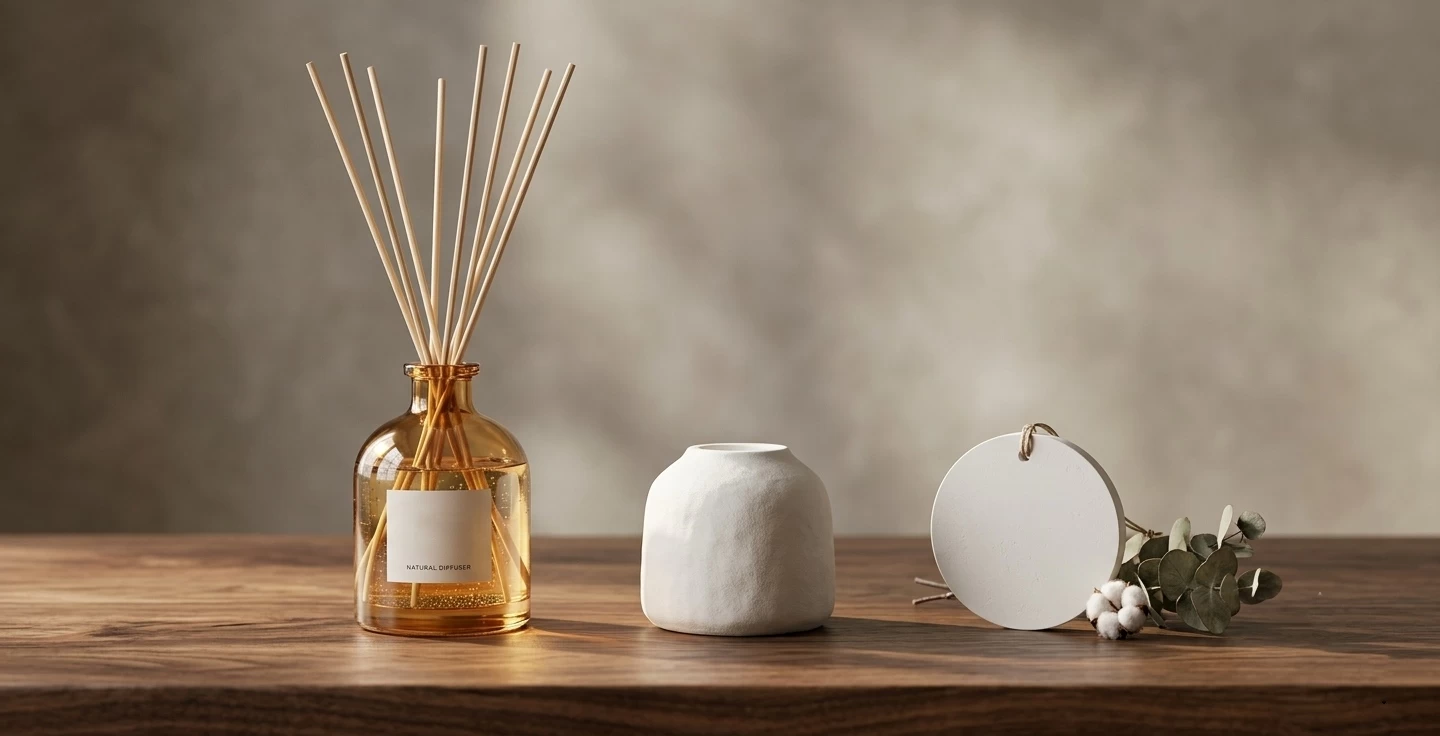
A reed diffuser provides a slow, steady background. A candle adds warmth and fluctuation. A spritz of room spray offers an immediate burst that fades. Combined thoughtfully, the result is layered and alive.
The deeper reason is neurological. By assigning a specific scent to a room, you are neuro-mapping your home. Your brain begins to associate certain scents with certain states: this one means focus, that one means rest. It's the most invisible way to upgrade how your home supports you.
How I scent each room
Entryway — the transition zone
The entryway sets the tone. I keep a reed diffuser here with something bright and clean — bergamot, citrus, a crisp herbal note. It's the first thing I smell when I walk in, and it tells my nervous system: you are home now.
Kitchen — the grounding space
A small diffuser with something herbal and green — rosemary, basil, a subtle herb blend. It neutralizes cooking odors without replacing them with something artificial.
Home office — the focus zone
A small diffuser stone on my desk with rosemary or eucalyptus. I stay focused longer without thinking about it.
Living room — the gathering space
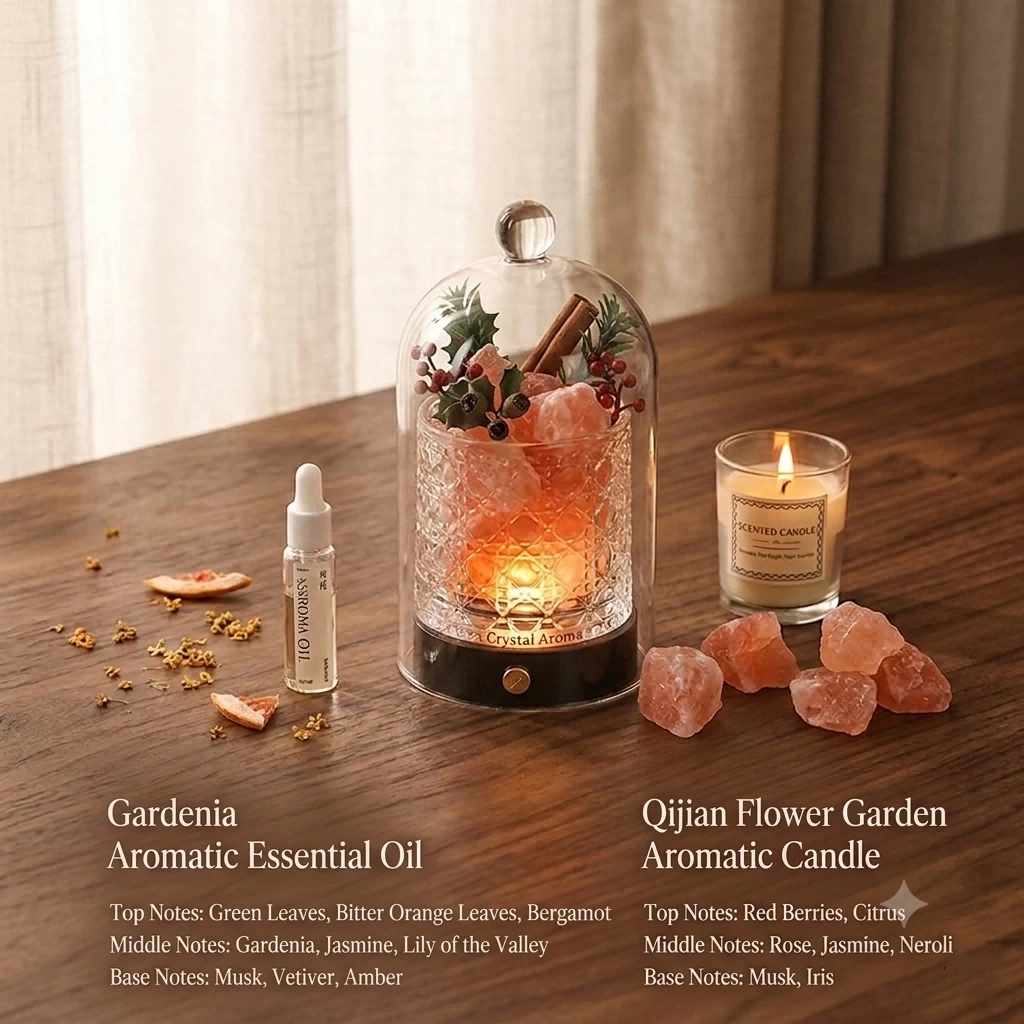
A candle with something warm and woody — sandalwood, cedar, a subtle spice. Present but not loud. A quiet backdrop for conversation or silence.
Bedroom — the sleep sanctuary
A reed diffuser with lavender or chamomile, plus a linen spray on my nightstand for an immediate, personal layer. The combination signals relaxation and prepares the nervous system for sleep.
Bathroom — the reset space
Something clean and mineral — sea salt, linen, a subtle aquatic note. It should feel like a spa, not like a bathroom.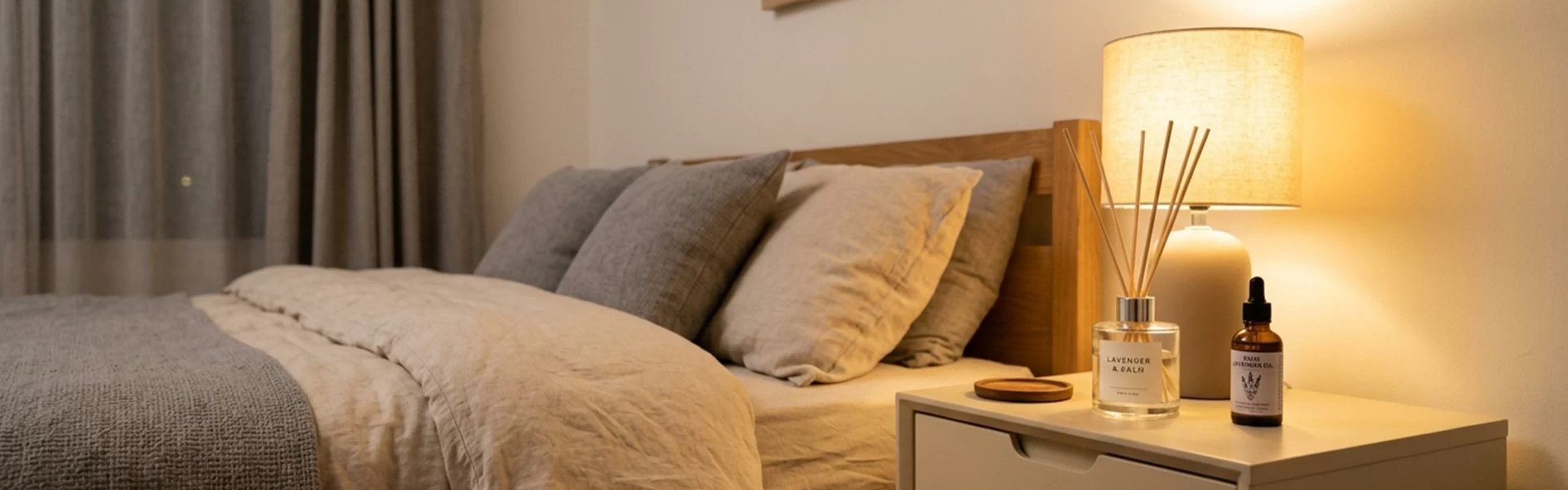
What I've learned
Start with a base.Pick one scent family — woody, citrus, floral, or herbal — to carry through your home. This creates cohesion. Then layer in room-specific notes.
Mix formats.Diffusers for consistency, candles for warmth, sprays for immediacy.
Don't overdo it.If you can smell your fragrance from the next room, it's too strong. Subtlety is the whole game.
Pay attention to transitions.Your kitchen doesn't need to smell like your bedroom, but the two scents shouldn't feel like they belong to different houses. Keep the mood consistent, even as the notes shift.