
I used to think a good life was a full one. More plans, more people, more output. If I wasn't busy, I wasn't doing enough.
Then I started noticing something strange. The busier I got, the less I actually felt. Not sad — just numb. Like I was running on a treadmill that kept getting faster, and I'd forgotten why I got on it in the first place.
It turns out, I wasn't alone.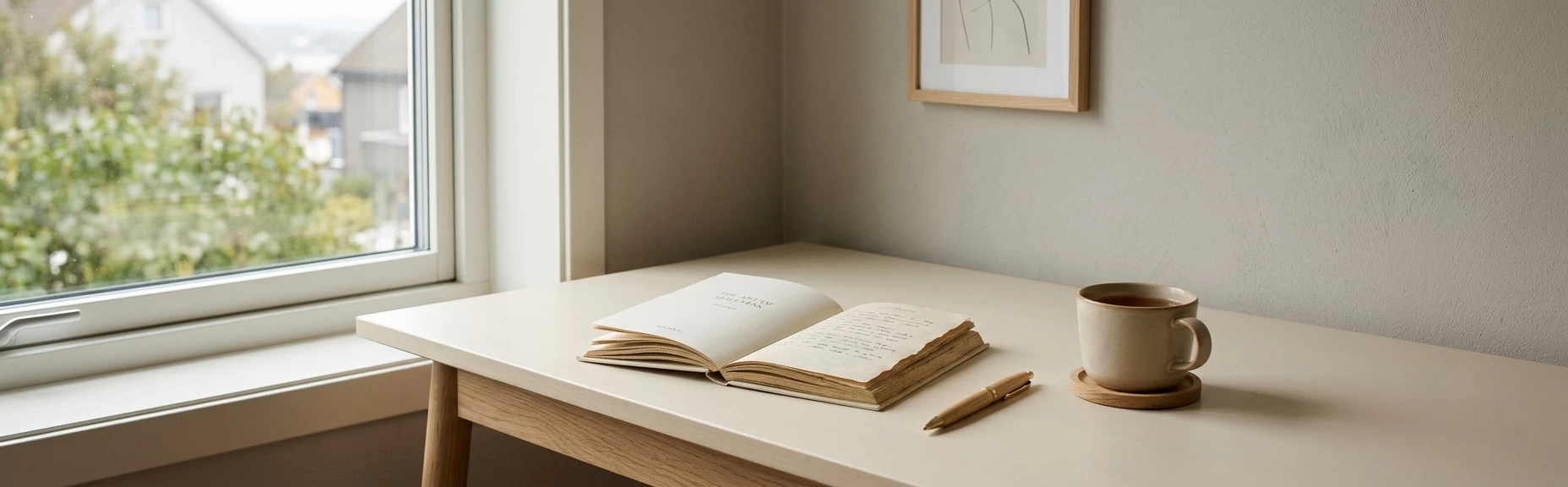
The Shift to Low-Stimulation Living: A Quiet Movement
In 2026, something shifted. Not overnight — quietly, gradually, like a tide going out. A movement called low-stimulation living has become one of the defining wellness trends of the year.
The idea is simple: reduce the daily noise. Not just phone notifications — the mental clutter, the endless choices, the pressure to always be optimizing.
Industry observers have noted a clear pattern: a growing number of people, particularly younger generations, are actively seeking low-stimulation activities to counteract digital overwhelm. On social media, the appetite for slow living content is massive. Interest in slow living has grown significantly compared to previous years, alongside a rise in offline communities — groups that organize phone-free social events where the only thing on the agenda is being present.
People are deleting apps. Choosing analog over digital. Trading constant connection for occasional disconnection.
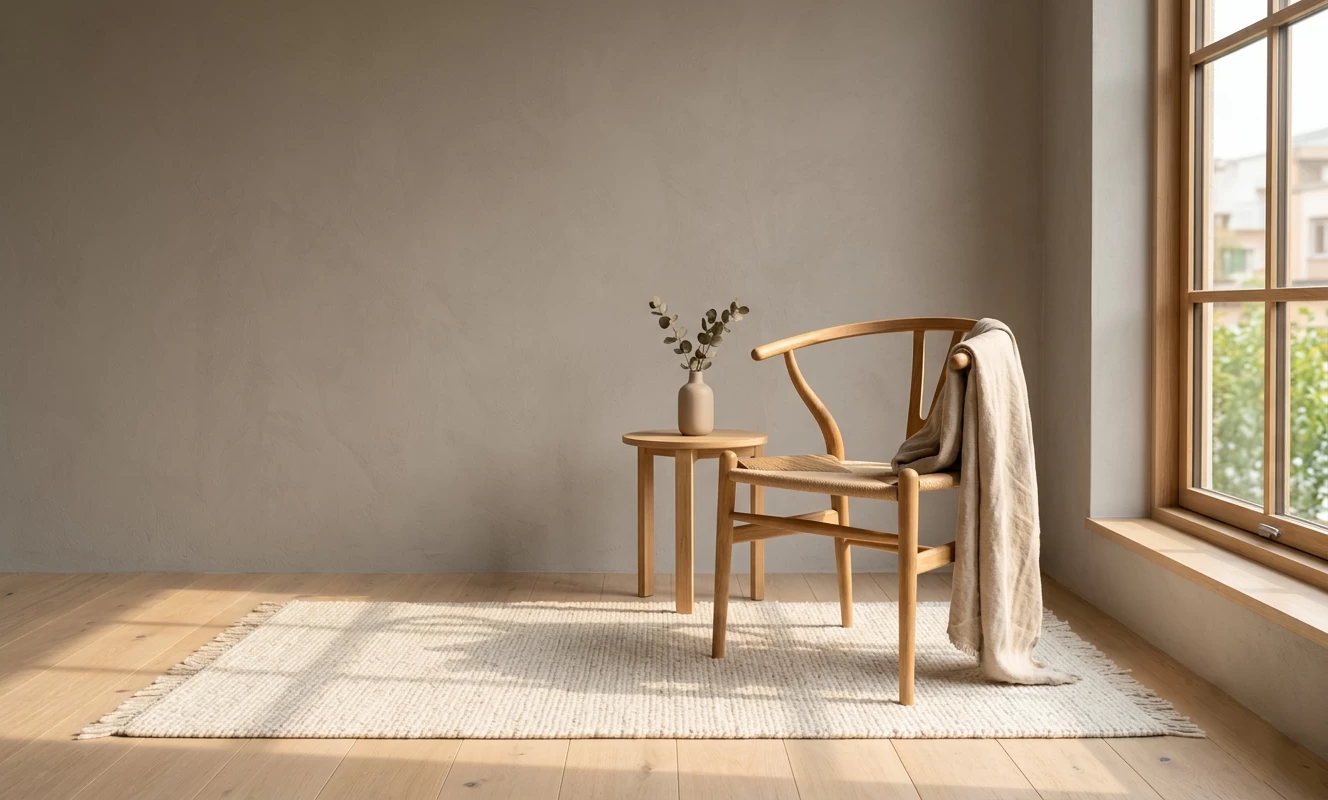
And it's showing up in our homes, too. Real estate listings are increasingly mentioning reading nooks and quiet corners — spaces designed not for entertainment, but for retreat. The shift reflects a growing demand for what might be called "unplugged relaxation at home." Interiors are no longer being shaped purely around aesthetics, but around how we want to feel: calm, comforted, and disconnected from the constant noise of modern life.
What Low-Stimulation Living Actually Looks Like
It's not about dropping out of society. It's about choosing where to put your attention.
For me, it started with small things. Leaving my phone in another room when I read. Taking walks without headphones. Lighting a candle without checking my email at the same time — and sometimes, letting the scent of sandalwood or cedar be the only thing I pay attention to for a few minutes.
None of these felt like big changes. But together, they created something I hadn't realized I was missing: space.
Space to think. Space to feel. Space to just exist, without needing to be productive.
The Science of Slowing Down: Why Your Brain Needs Space
There's a reason this works. Research shows that persistent constant pressure often contributes to mental fatigue and burnout. Our brains were not built for today's non-stop stimulation: endless scrolling, constant multitasking, and the expectation to always be reachable.
When we give ourselves unstructured, low-stimulation time, we're not being lazy. We're allowing our brains to consolidate what they've learned, process emotions, and generate creative thinking. In other words: unstructured time isn't wasted time. It's when your brain does its best work.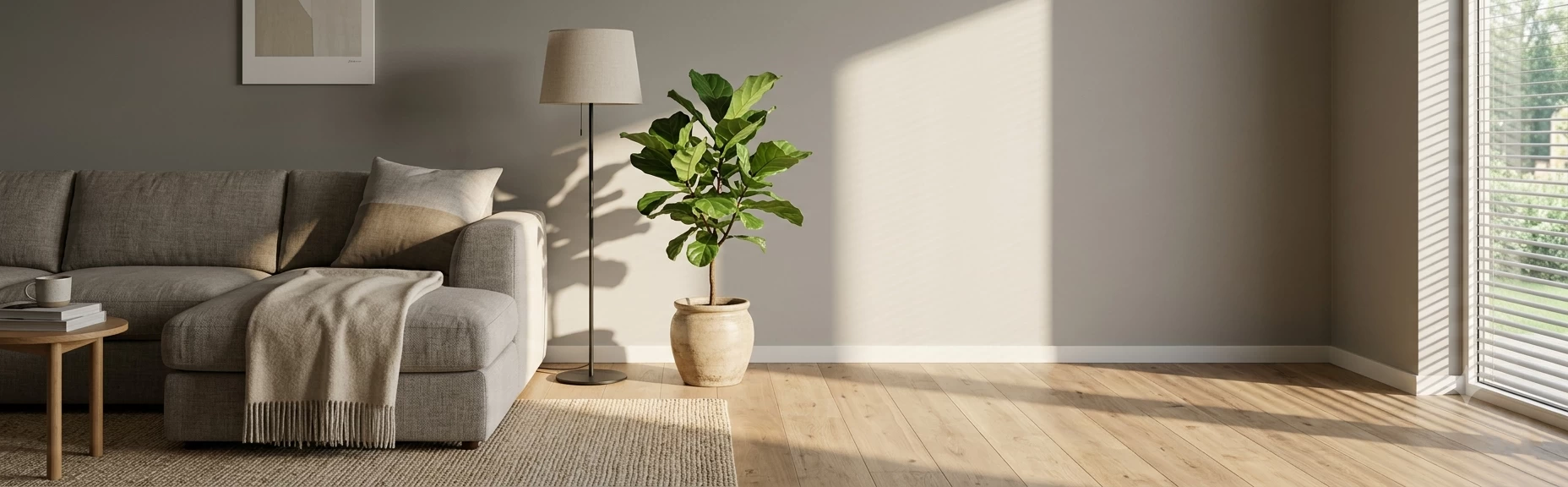
A Quiet Act of Resistance
In a world that profits from your attention, choosing quiet is a quiet act of resistance.
It's not dramatic. It's not loud. It's just a decision — to close the tabs, to silence the notifications, to sit with your own thoughts instead of someone else's.
And that decision, made over and over again, changes everything.
Not because you're doing more. Because you're doing less. And finally, that feels like enough.
—
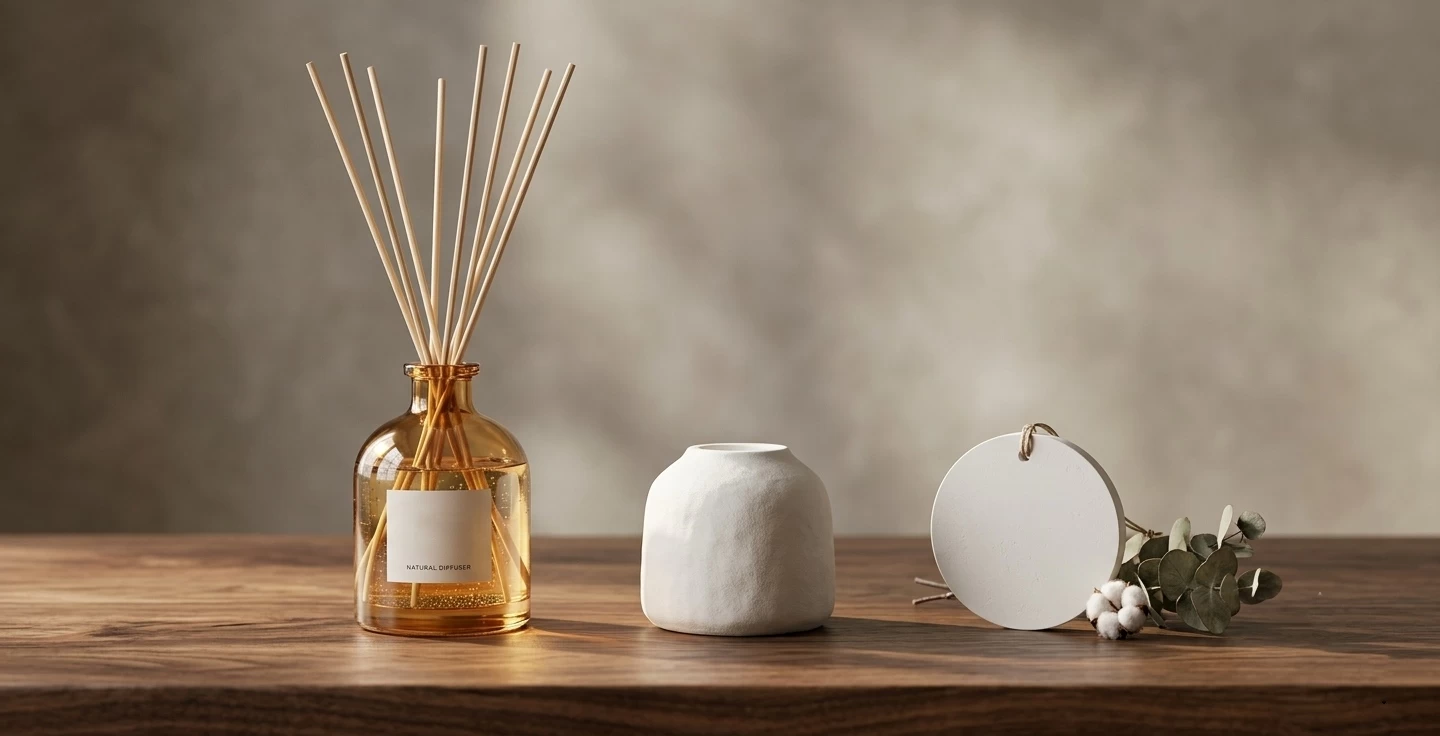
Start your quiet journey with our curated pieces. Explore BOLAN's Quiet Collection — ceramic diffuser stones, candles, and natural scents designed to help you create space, not noise.
[ Explore the Quiet Collection → ]
[ Read: The Scent Wardrobe → ]
Share your own quiet moments with us in the comments below. ✦


